Dushi 2025 Funding Awarded Project
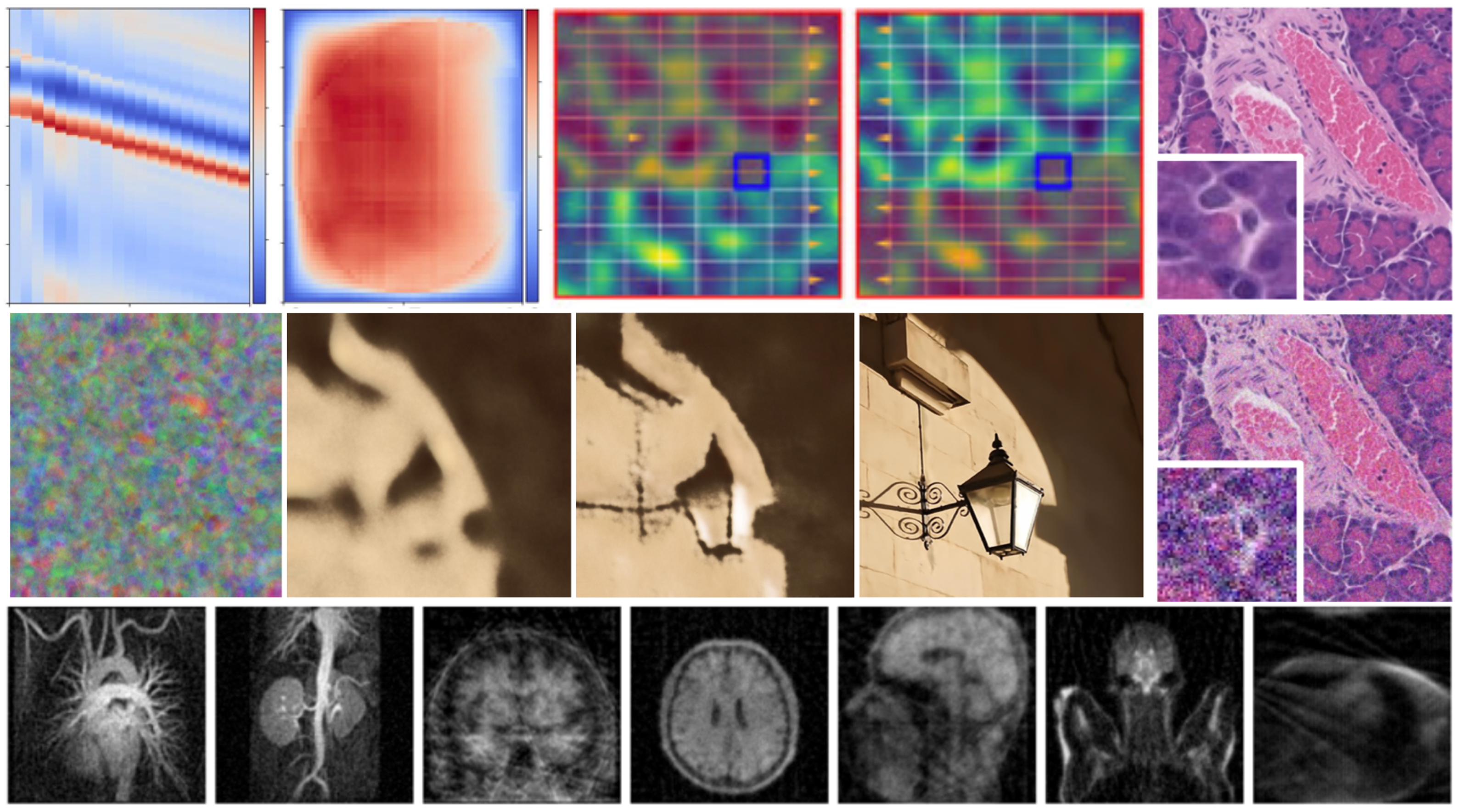
With the strong support of the "Dushi Program", this project has successfully built a cross-scale intelligent reasoning framework spanning scientific computing and inverse problems, significantly advancing the field of AI4Science.
-
Breakthroughs in AI for PDEs:
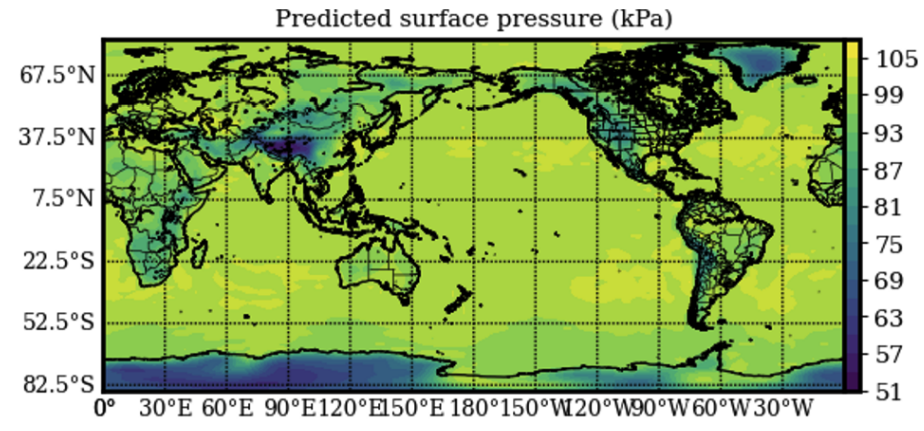
We have successfully developed and validated a deep learning model incorporating differentiable local finite-difference modules and implicit neural representations, overcoming the limitations of traditional solvers. The research has produced a class of novel PDE-solving methods with excellent numerical stability, theoretical interpretability, and high accuracy, significantly enhancing computational efficiency. -
Frontier for Imaging Inverse Problems and Real-World Applications:
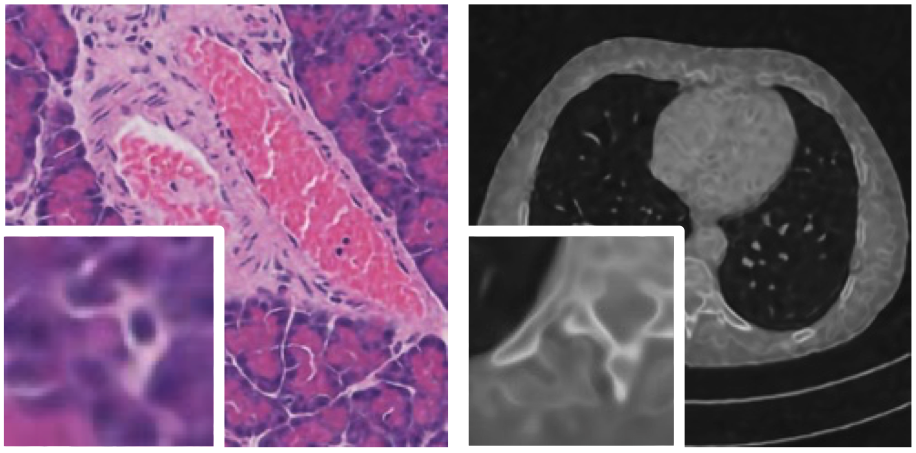
Focusing on unsupervised inverse problems, we were among the first to apply the concept of Deep Spectral Prior to image reconstruction tasks. By modeling the image degradation process in the frequency domain, this framework effectively suppresses high-frequency noise while precisely preserving key structural details, greatly improving reconstruction quality.
Thanks to the flexible support and critical resources provided by the "Dushi Program", the project’s dual-track research has successfully moved from theoretical exploration to practical application, producing a series of impactful results and laying a solid foundation for the deployment of intelligent scientific computing in healthcare and other domains.
People
Principal Investigator
Tsinghua University

Publication
|
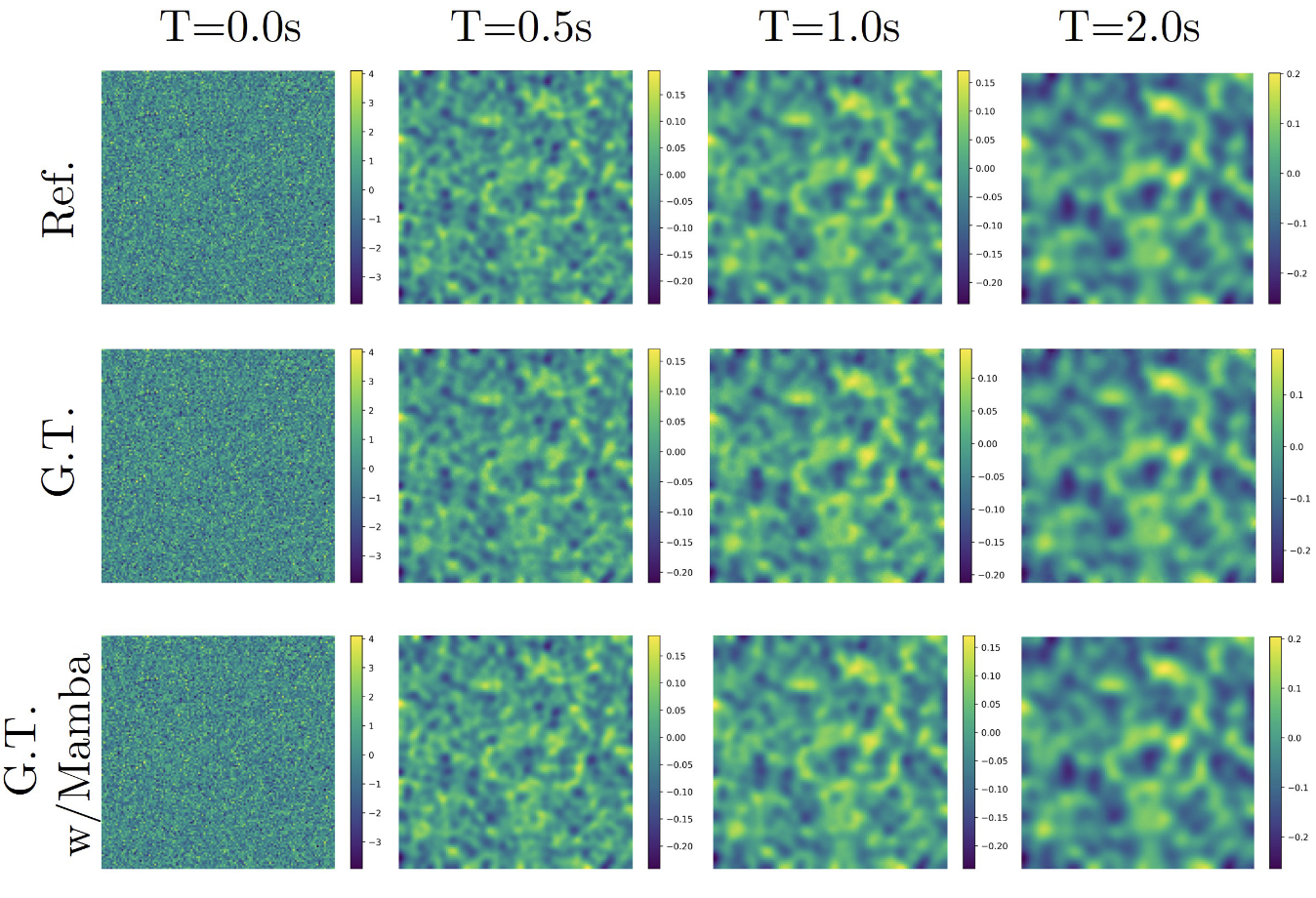
Mamba Neural Operator: Who Wins? Transformers vs. State-Space Models for PDEs CW Cheng, J Huang, Y Zhang, G Yang, C–B Schönlieb and AI Aviles-Rivero Journal of Computational Physics || Journal || Arxiv-Link |
|
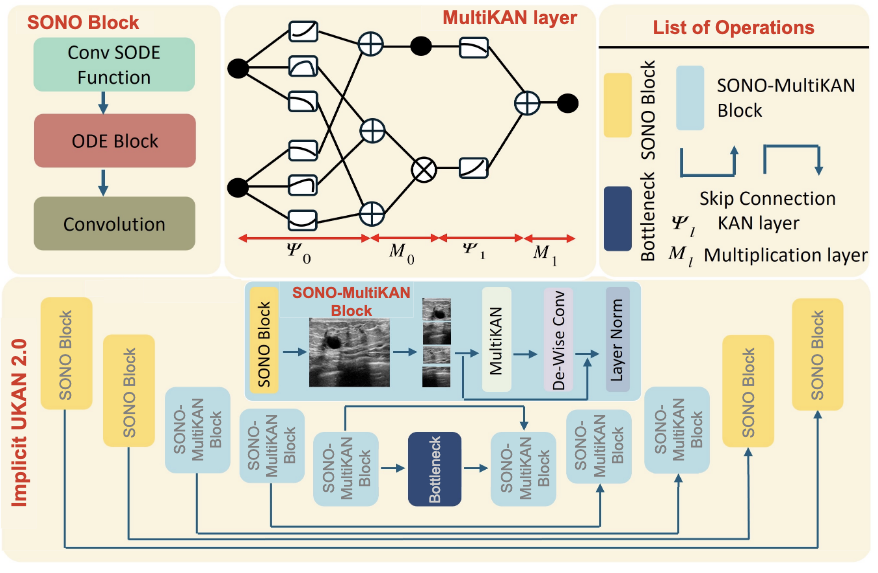
Implicit U-KAN2.0: Dynamic, Efficient and Interpretable Medical Image Segmentation CW Cheng*, Y Zhang*, Y Cheng, J Montoya, C-B Schönlieb, and AI Aviles-Rivero MICCAI 2025 || Arxiv-Link |
|
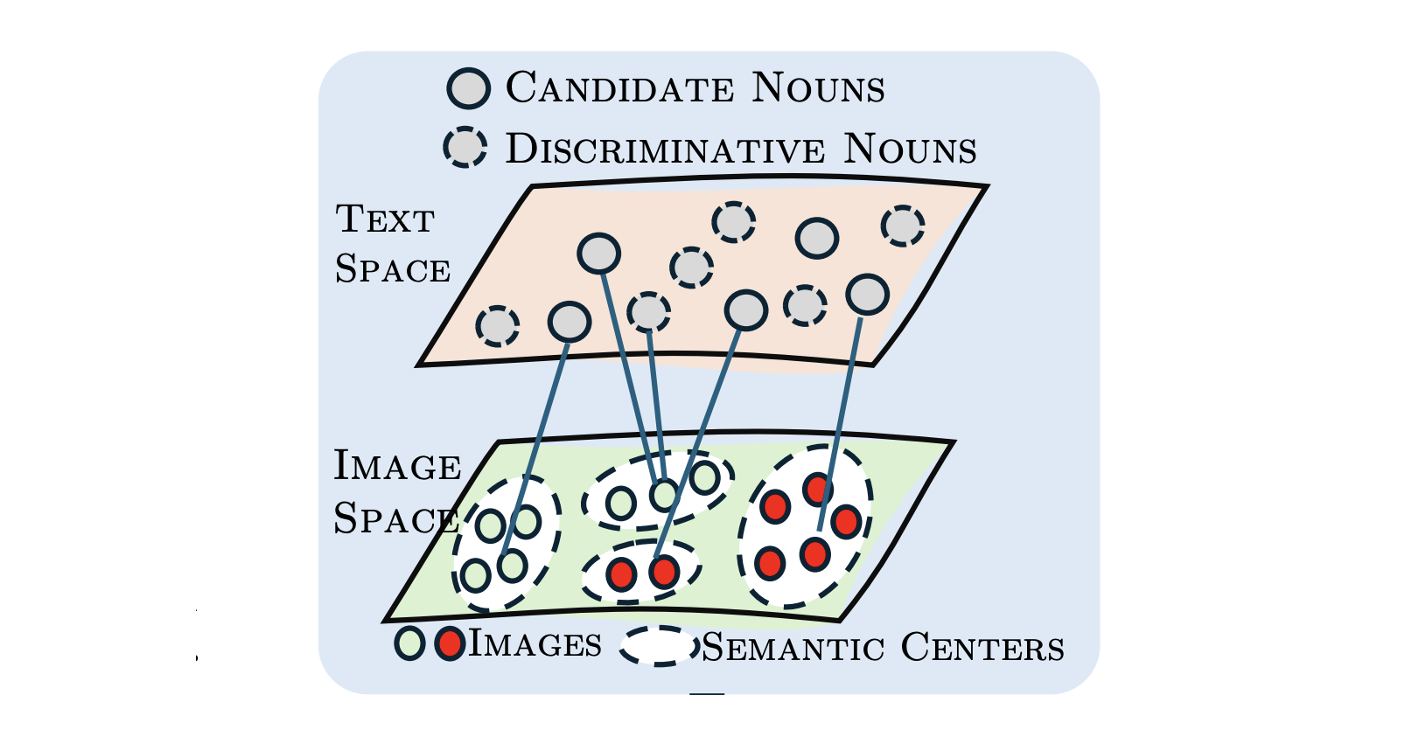
Training-Free Test-Time Adaptation with Brownian Distance Covariance in Vision-Language Models Y Zhang, C-W Cheng, AI Aviles-Rivero, Z He, L-J Zhang ICASSP 2026 || arXiv-Link || Conference Link |
|
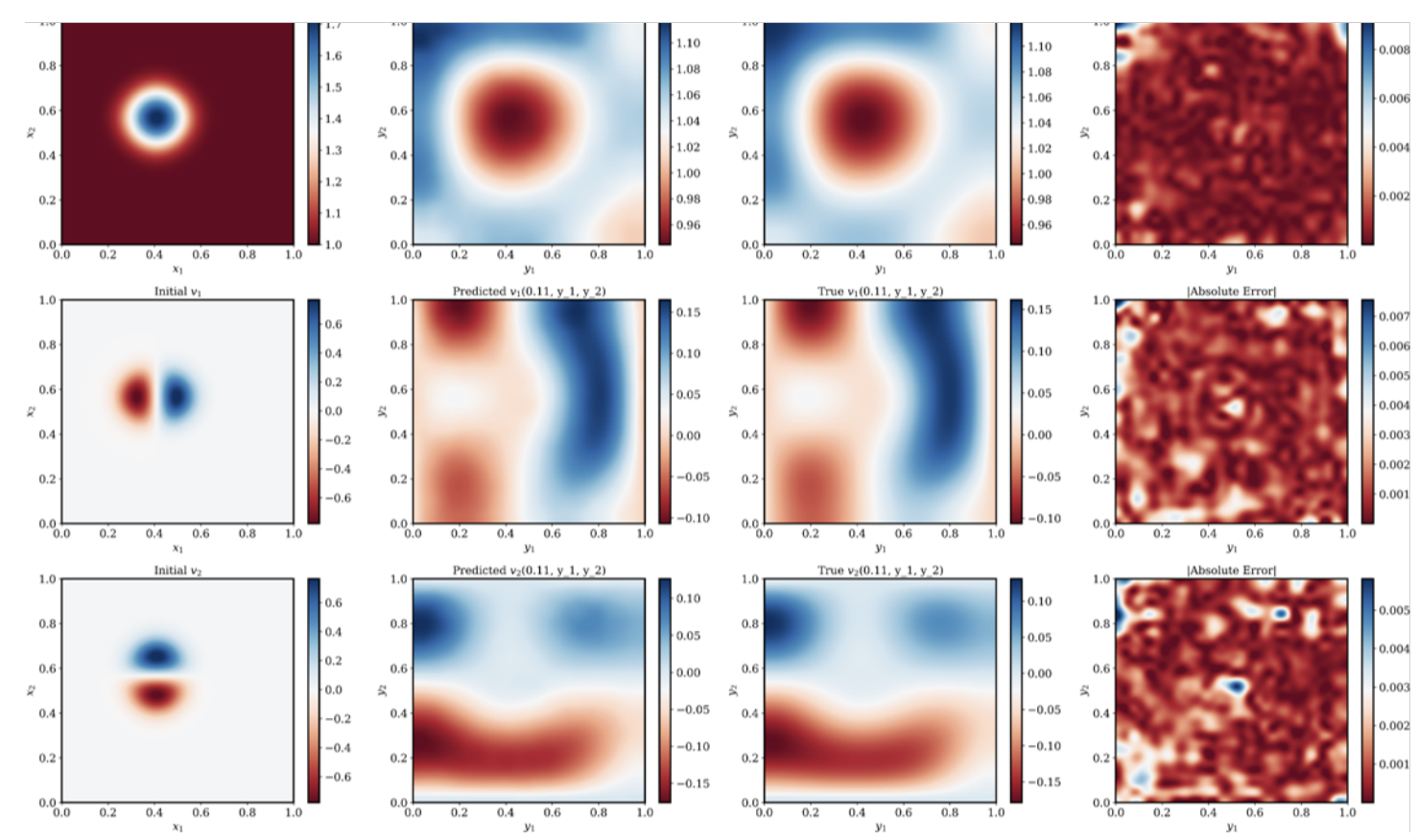
SpectraKAN: Conditioning Spectral Operators C-W Cheng, C-B Schönlieb and AI Aviles-Rivero Arxiv-Link |
|
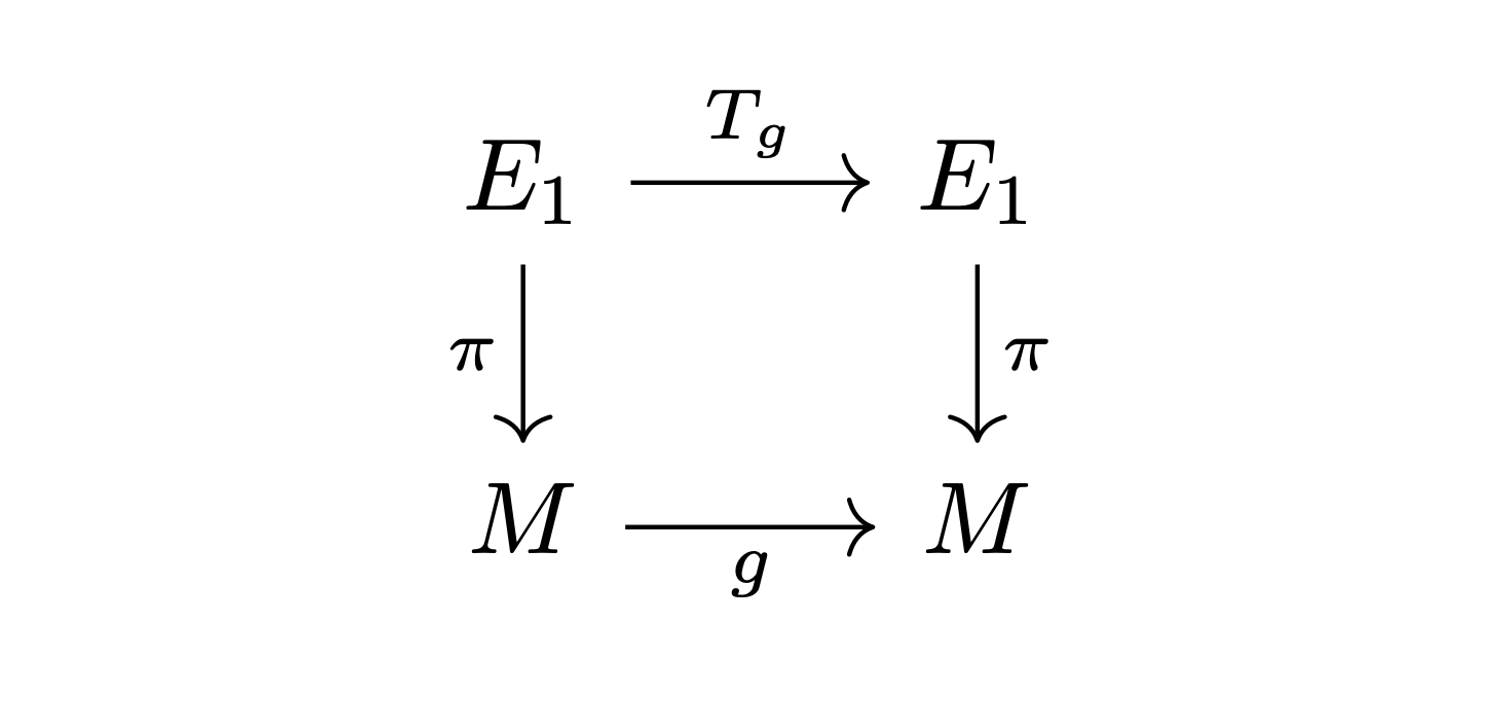
Product Interaction: An Algebraic Formalism for Deep Learning Architectures H Dong, C-W Cheng and AI Aviles-Rivero Arxiv-Link |
|
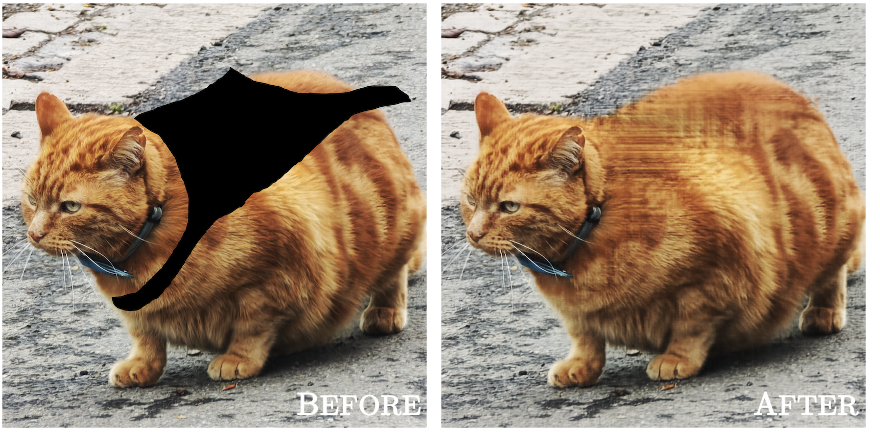
Deep Spectral Prior Y Cheng, X Zhao, T Zeng, P Lio, C-B Schönlieb and AI Aviles-Rivero Arxiv-Link || Project Webpage |
|
PDE Solvers Should Be Local: Fast, Stable Rollouts with Learned Local Stencils CW Cheng, B Dong, C-B Schönlieb and AI Aviles-Rivero Arxiv-Link |
|
DNA-Prior: Unsupervised Denoise Anything via Dual-Domain Prior Y Cheng, C-W Cheng, J Denholm, T Lima, J A Montoya-Zegarra, R Goodwin, C-B Schönlieb and AI Aviles-Rivero Arxiv-Link |
Activities
Below are the sessions and activities organised by our group, focusing on machine learning, scientific computing, and medical imaging.
AI4Science Beijing Meetup 2025 – Learned Partial Differential Equations
Date: 28 June 2025
Location: Tsinghua University
This meetup explores how machine learning techniques can learn and solve partial differential equations (PDEs), enabling new scientific discoveries across physics, biology, and engineering. Topics include neural operators, physics-informed neural networks (PINNs), and data-driven modelling for scientific applications.
DLMed25 Winter School 2025 – Medical Imaging in the Deep Learning Era
Date: 5–6 December 2025
Format: Online Winter School
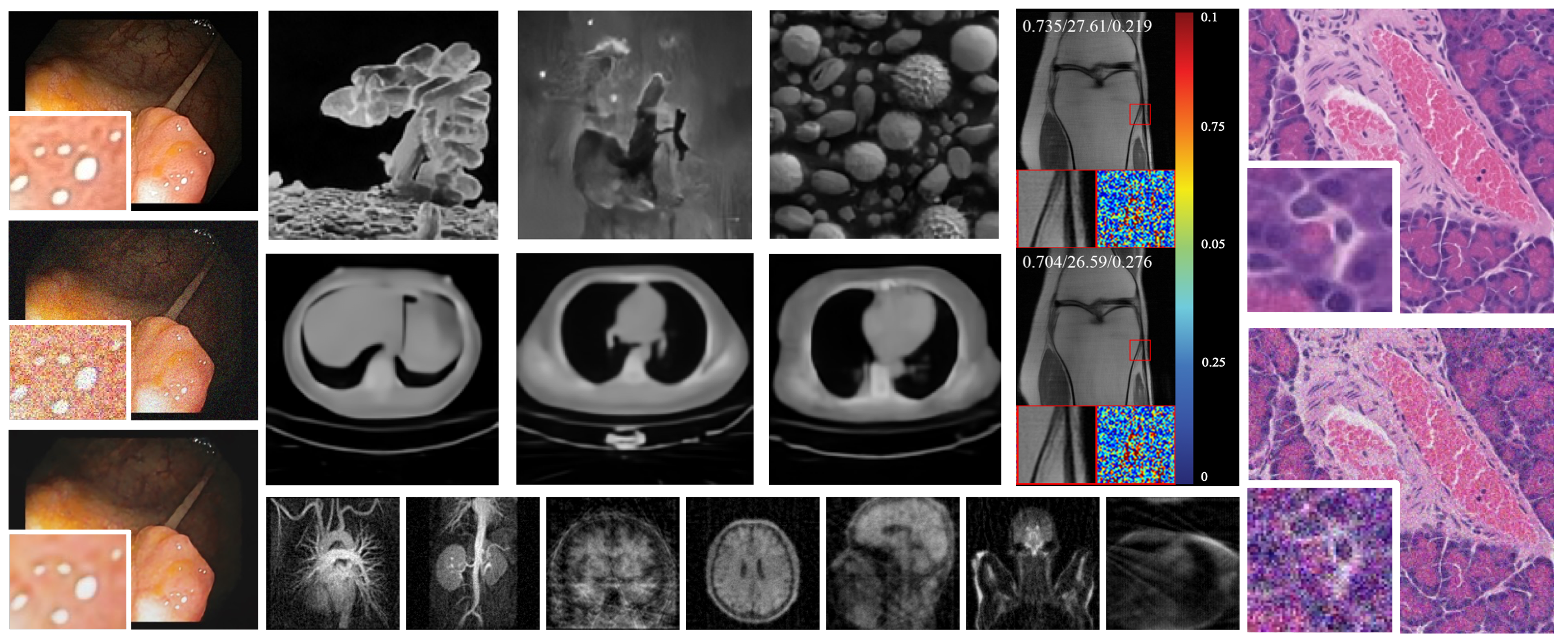
This winter school focuses on deep learning methods for medical imaging, covering recent breakthroughs, open challenges, and emerging research opportunities in AI-driven healthcare.