

MICCAI 2026 Tutorial - GraphMedIA
GraphMedIA: Graph Learning in Medical Image Analysis
Date: TBU
Overview
Graph-based methods have become increasingly important in medical image analysis due to their ability to model relational structure, spatial dependencies, multimodal interactions, and data scarcity settings. This tutorial provides a structured journey from classical semi-supervised graph methods to modern graph neural networks, graph transformers, hypergraph learning, foundation models, and agentic graph systems. Unlike previous editions, the 2026 tutorial introduces, for the first time, a dedicated interactive hands-on session and live demonstration, enabling participants to directly implement and experiment with state-of-the-art graph and hypergraph learning libraries. The halfday program is structured into thematic modules that combine conceptual lectures with practical insights and implementation exposure.
This tutorial presents a comprehensive and forward-looking overview of graph learning for medical image analysis, spanning foundational theory, modern neural architectures, and emerging paradigms such as graph foundation models and agentic systems. The tutorial is designed to bridge theoretical foundations with practical implementation, equipping participants with both conceptual understanding and applied skills.
After following our tutorial, attendees will be able to:
● identify the mechanisms behind graphs and graph neural networks
● have an overview of the state-of-the-art in Graph Learning in Medical Image Analysis
● identify existing challenges and opportunities of graph and hypergraph learning when using medical data
● critically identify the advantages of graph learning and relevant components
Organising Committee

Tsinghua University
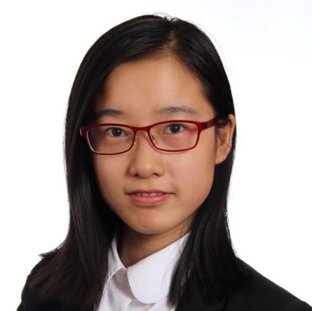
University of Cambridge
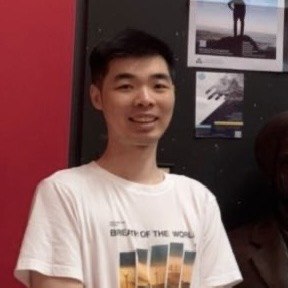
University of Cambridge
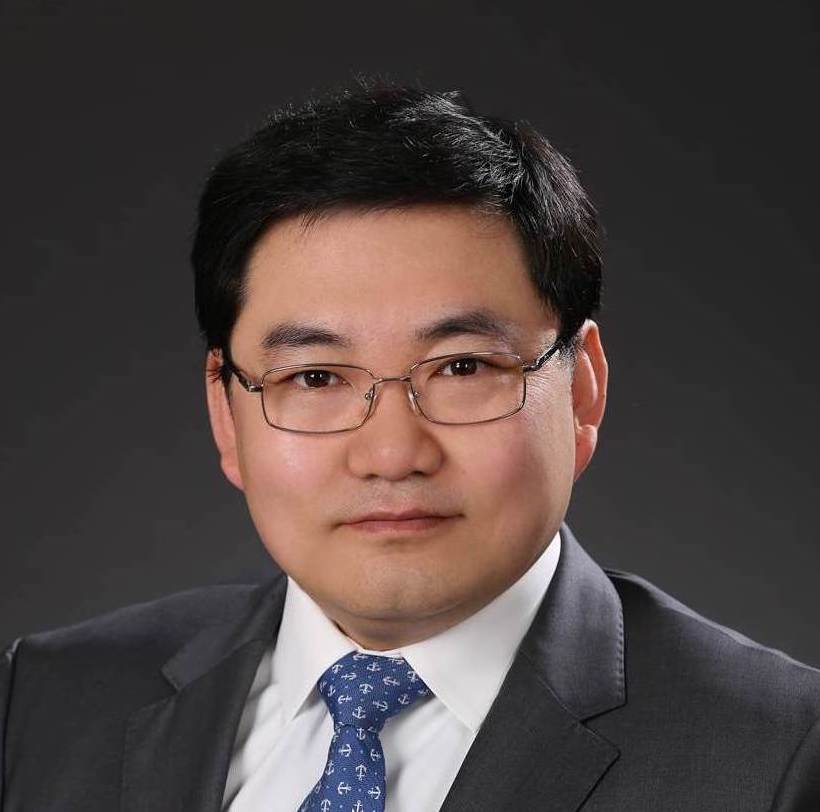
Tsinghua University
Beihang Univeristy
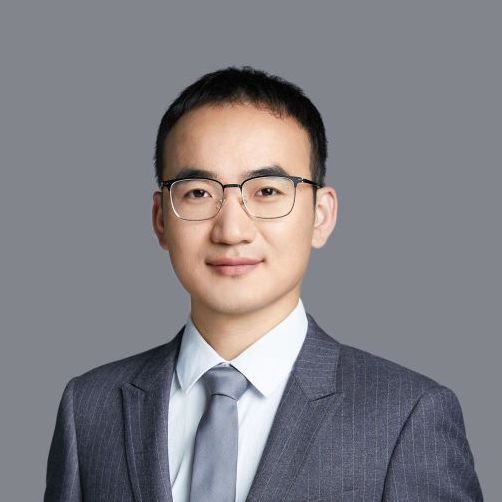
Tsinghua University
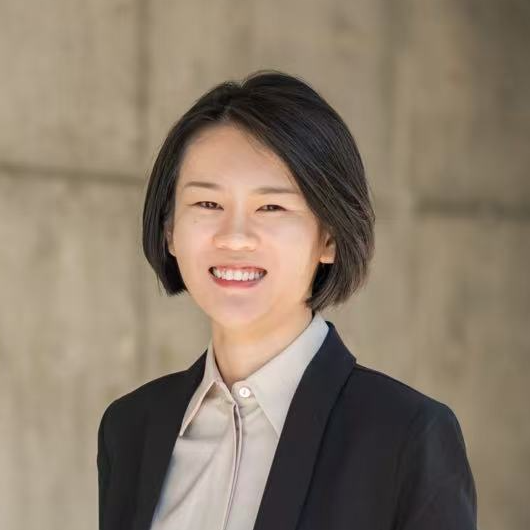
Hong Kong Polytechnic University
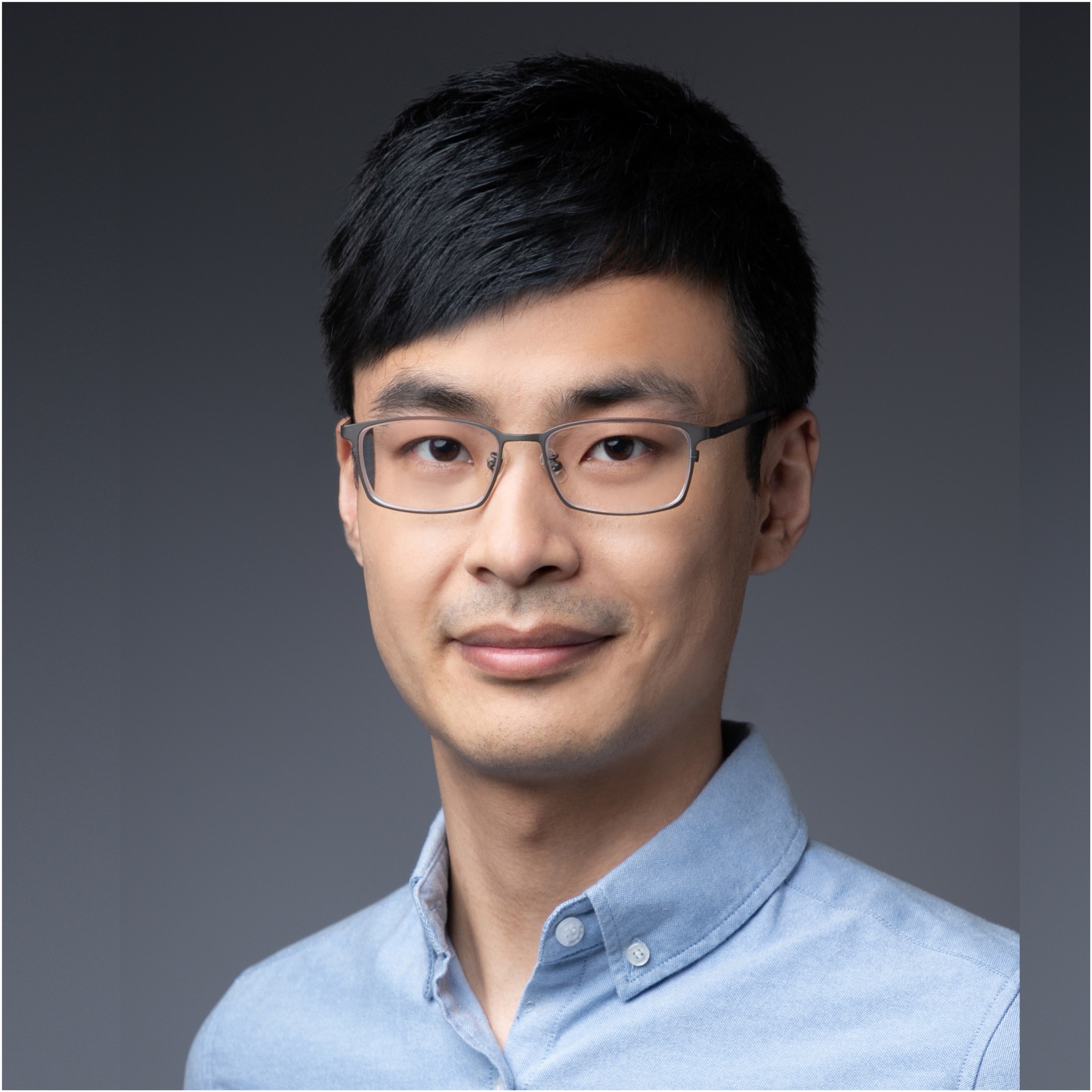
The University of Hong Kong
Imperial College London

University of Cambridge

Zurich University of Applied Sciences

University of Cambridge





Schedule
8am-12.30pm
| Time (CDT) | Title | Speaker |
|---|---|---|
| 8:00 - 8:10 | Welcome Remarks | Angelica I Aviles-Rivero |
| Block I – Foundations of Graph Learning | ||
| 8:10 - 8:35 | Lecture 1: Semi-Supervised Graph Learning for Medical Image Analysis | Angelica I Aviles-Rivero |
| 8:35 - 9:00 | Lecture 2: Graph Neural Networks | Yanqi Cheng |
| Block II – Advanced Architectures | ||
| 9:00 - 9:25 | Lecture 3: Graph Transformers | Chun-Wun (Sam) Cheng |
| 9:25 - 9:50 | Lecture 4: Higher-Order Learning - Hypergraph Computation | Yue Gao |
| 9:50 - 10:10 | Coffee Break | - |
| Block III – Mini Interactive Hands-On Session & Live Demonstration | ||
| 10:10 - 10:50 |
Guided Hands-On Implementation (hypergraph construction, model training, and evaluation) |
Xiangmin Han |
| Block IV – Emerging Paradigms and Future Directions | ||
| 10:50 - 11:15 | Lecture 5: Graph Transformers for Medical Imaging | Lequan Yu |
| 11:15 - 11:40 | Lecture 6: Graph Foundation Models | Qingyun Sun |
| 11:40 - 12:05 | Lecture 7: Graph Agentic Systems | Emma Shujun Wang |
| 12:05 - 12:30 | Closing Discussion | All Speakers |
Lecture Detail
Module I: Foundations of Graph Learning for Medical Imaging
Lecture 1: Semi-Supervised Graph Learning for Medical Image Analysis
Speaker: Angelica I Aviles-Rivero, Tsinghua University
Deep supervised learning is the go-to technique for most state-of-the-art results in tasks such as
classification, segmentation, and detection. However, these are heavily dependent on the availability
of large and well-representative, expensive data sets. Here, we will focus on graph learning with
minimal supervision. We will start by motivating graphs as a natural representation for medical data,
along with the power of unlabelled data for designing robust and efficient algorithmic techniques.
We will cover, from a minimal supervision perspective: i) classic models including the pros and cons
of energy models and need to develop better functionals, ii) hybrid approaches to intertwine classic
and deep learning techniques for generating robust solutions. Theory will be accompanied by
real-world examples.
Lecture 2: Graph Neural Network
Speaker: Yanqi Cheng, University of Cambridge
In the realm of data-rich relationships, diverse applications require models adept at learning from graph inputs.
Graph Neural Networks (GNNs), specialised neural models, excel in capturing graph dependencies through
message passing among nodes, playing a pivotal role in addressing challenges across various domains.
Recent advancements in GNNs have enhanced their capabilities and expressive power. We will delve into
the basics of graphs, challenges associated with computing over graphs, elucidate the origins and
design principles behind graph neural networks, explore recent variants, and investigate their
applications across different domains.
Module II: Advanced Architectures for Structured Medical Data
Lecture 3: Graph Transformer
Speaker: Chun-Wun (Sam) Cheng, University of Cambridge
Graph neural networks (GNNs) have been widely used in representation learning on graphs and achieved
state-of-the-art performance in tasks such as node classification. However, most existing GNNs are designed
to learn node representations on fixed and homogeneous graphs. Transformer model has demonstrated its
great potential in modelling graph-structured data. Till now, a great variety of Transformers has been
proposed to adapt to the data. We first disassemble the existing models and conclude three typical ways
to incorporate the graph information into the vanilla Transformer. Afterwards we will look at novel
architectures for solving inverse problems and how specific demands of the problems can be implemented
in the underlying neural network architecture.
Lecture 4: Higher-Order Learning -- Hypergraph Computation for Medical Data
Speaker: Yue Gao, Tsinghua University
Graph learning and graph neural networks have attracted much attention in both research and industrial
fields and become very hot topics in these years. It is noted that the world is far more complex than just
pairwise connections. Hypergraph, as a generation of graphs, is able to formulate such high-order
correlations among the data and has been investigated in last decades. In this part, we first introduce
the basic concepts and characteristics of hypergraphs. Next, focusing on hypergraph computation, we
introduce hypergraph structural modelling, hypergraph structural evolution, and hypergraph neural
network models. Finally, we introduce the application of hypergraph computation for medical data.
Module III: Mini Hands-On Session and Live Demonstration
Mini Hands-On Session and Live Demonstration
Speaker: Xiangmin Han, Tsinghua University
For the first time in the history of the GraphMIA tutorial series, we introduce a dedicated hands-on
session to complement the theoretical modules and strengthen educational impact. Participants will
engage with state-of-the-art open-source frameworks for hypergraph learning, including THU-HyperG
and DeepHypergraph. The session will include:
• Constructing graph and hypergraph representations from medical imaging data
• Implementing hypergraph neural networks using provided modules
• Training and evaluating models on a real-world medical task
• Exploring structural modelling, message passing, and higher-order interactions
• Understanding scalability and practical implementation considerations
Pre-prepared Jupyter/Colab notebooks will be provided to ensure accessibility and reproducibility.
The live coding walkthrough will demonstrate how advanced theoretical concepts translate into
efficient, research-grade implementations. By the end of this session, participants will have practical
experience in deploying graph and hypergraph learning pipelines for medical imaging problems.
Module IV: Emerging Directions in Graph-Based Medical AI
Lecture 5: Graph Transformers for Medical Imaging
Speaker: Lequan Yu, The University of Hong Kong
Graph Transformers have emerged as a powerful solution in medical imaging, showcasing promising
capabilities when applied to graph modelling. Experimental results affirm the benefits of integrated
graph modules within the transformer, demonstrating their efficacy across diverse graph-related tasks.
In specific applications, we will introduce novel graph transformer frameworks that achieve superior
accuracy and robustness in Whole Slide Image analysis compared to existing methods.
Lecture 6: Graph Foundation Models for Medical Image Analysis
Speaker: Qingyun Sun, Beihang University
This new lecture introduces graph foundation models, focusing on large-scale pretraining,
transferability, and generalisation across tasks and modalities. We discuss emerging architectures,
self-supervised objectives, and opportunities for building unified graph models for medical imaging.
The lecture will begin by motivating the need for foundation models in medical image analysis, where
data scarcity, heterogeneity, and domain shifts remain major challenges. We will discuss how medical
images, spatial structures, multimodal measurements, and clinical metadata can be unified under graph
representations, enabling pretraining on large, heterogeneous graph collections.
Lecture 7: Graph Agentic Systems for Medical Image Analysis and Precision Medicine
Speaker: Emma Shujun Wang, The Hong Kong Polytechnic University
This lecture explores graph agentic systems, an emerging paradigm that integrates graph learning with
agent-based reasoning to enable adaptive, goal-driven analysis of medical imaging and multimodal
healthcare data. The lecture will introduce how agentic frameworks can operate over graph-structured
representations—such as patient similarity graphs, anatomical graphs, and multimodal disease
networks—to iteratively reason, interact, and make decisions. Emphasis will be placed on
trustworthiness, interpretability, and clinical reliability, highlighting how graph agentic models can
support robust medical decision-making, longitudinal patient monitoring, and precision medicine
applications. Case studies will demonstrate how agentic reasoning over graphs enhances flexibility
and transparency in complex medical imaging workflows.